Wordcrafters poets, an affiliate of the Massachusetts State Poetry Society, hosted a lovely meeting last Saturday at the Salem home of Beverley Barnes. Roberta Hung directed the group in a reading excercise spurred by the Massachusetts Poetry Festival dubbed “Common Threads.” The purpose of the program was to get as many people in Massachusetts to read the same seven poems (written by Massachusetts poets); to have a community which could speak to these common points in a series of common poems. As there were just seven poets in attendance we each picked a poem to read. The poems included:
- In the Waiting Room by Elizabeth Bishop
- Samurai Song by Robert Pinsky
- The Lost Pilot by James Tate
- Occupation by Suji Kwock Kim
- Vita Nova by Louise Glück
- Love Song: I and Thou by Alan Dugan
- New England Odeby Kevin Young
The “Common Threads” project offered several questions to help get the conversation about the poems going such as:
- What do the dog and its name, Blizzard, suggest in the poem “Vita Nova” by Louise Gluck?
- James Tate crafts the poem “The Lost Pilot” in tercets (three line stanzas) what effect does this have on your reading of the poem?
- In the poem “Occupation”, by Suji Kwock Kim, the poet uses the metaphor of a house to describe something else. How does that metaphor connect to you, individually? What images does it foster? What is the impact of those images on your understanding of the cognitive meaning of the poem and your emotional awareness of its intent?
We had a lovely, lively discussion of the poems and enjoyed Beverley’s hospitality. One thing I am still looking forward to doing from the project is taking another look at Pinsky’s poem “Samurai Song”. One of the discussion questions indicated that, as the title states, the poem is actually a song. Apparently, we should be able to count the number of syllables in each line and examine the number of stressed syllables and see the pattern to the beats that Pinsky created. Evidentially, there is a careful consistency of stressed syllables in each line although there is a slight differentiation of the number of syllables in each line. Roberta, who had attended a previous “Common Threads” discussion, said some poets thought the beat structure was reminescent of Cat Stevens. At any rate, I’m looking forward to taking an even closer look at this poem when I get a chance. Jeanette C. Maes, however, said she didn’t care for this example of Pinsky’s work but recommended we read “The Green Piano”.
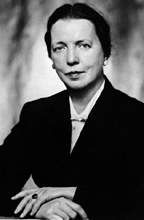
Unfortunately I was unable to make it to Reading today, Saturday May 7, to attend the Massachusetts State Poetry Society meeting. If you were there please let us know how it went and send Cathy or I a few tidbits or lessons’ you may have garnered from the event. On the schedule was a morning workshop by Jeanette C. Maes on “Using Predictions” followed by an afternoon workshop by MaryEllen Letarte, director of the Louise Bogan Chapter, on the works of the chapter’s namesake. Letarte says that Bogan was a poet and critic who valued her privacy and was largely unknown to the general public but was held in high esteem by her peers. Listen to Bogan read her poem “The Dragonfly” online at The Academy of American Poets.


 North Shore Poets' Forum